
"18th century coffee ban"
300 article(s) found

One of the best coffee producing places in the world, the Indonesian coffee producing area introduces Kahayang Gan Manor.
The coffee was discovered because stingy Dutch planters banned local workers from drinking coffee. In order to get the magical fruit they had worked so hard to grow, they had to find another way to find it in the excrement of civets. After cleaning and grinding, it was made into world-class coffee, which was then found by the Dutch and became more expensive. And as a major tourist destination in Indonesia

Why boycott the world's most expensive coffee Kopi Luwak?
Kopi Luwak is one of the most expensive coffee in the world, costing hundreds of dollars per pound. It is extracted from the feces of the civet and processed. The civet eats the ripe coffee fruit and is excreted through the digestive system. Due to the fermentation of the stomach, the coffee produced has a special taste and has become a hot product in the international market. Kopi Luwak is made in Indonesia. The 18th century

Fine Coffee Culture Story Coffee changes the World 2
Have you ever had coffee? Does the coffee really taste good? In fact, when we enjoy coffee, most of the time we just regard it as a drink, a different, unique, refreshing drink, but seldom think about it: what is the big name of a small coffee? Precisely, coffee is surprisingly big-it is second only to oil in the world.

Coffee changes the world. Does coffee really taste good?
Have you ever had coffee? Does the coffee really taste good? In fact, when we enjoy coffee, most of the time we just regard it as a drink, a different, unique, refreshing drink, but seldom think about it: what is the big name of a small coffee? Precisely, coffee is surprisingly big-it is second only to oil in the world.

Flavor characteristics of coffee beans in Batavia aristocratic manor in Sumatra, Indonesia
The flavor characteristics of coffee beans from the Patavia aristocratic manor in Sumatra, Indonesia are preserved today. The old plantations are now concentrated in eastern Java, including Djampit, Blawan, Pancoer, and Kayumas4 plantations, all near the Ijen volcano on the Ijen plateau, who have grown the same kind of coffee from the 18th century to the present. But Java has been
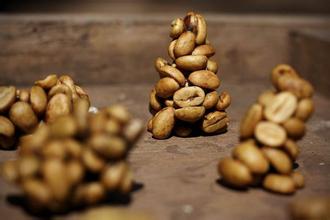
Civet Coffee Kopi Luwak Fine Coffee beans introduction to the latest Coffee knowledge
Kopi Luwak is made in Indonesia. In the early 18th century, the Dutch established coffee plantations in the Indonesian colonies of Sumatra and Java, and banned locals from picking and eating their own coffee fruits. Indonesian locals inadvertently found that civets love to eat these coffee fruits and will drain the beans intact when defecating. The civet can only pick the most familiar.

The characteristics of boutique cat shit coffee beans the origin of Kopi Luwak how much is Kopi Luwak how much is a jin of Blue Mountain Coffee
Kopi Luwak is made in Indonesia. In the early 18th century, the Dutch established coffee plantations in the Indonesian colonies of Sumatra and Java, and banned locals from picking and eating their own coffee fruits. Indonesian locals inadvertently found that civets love to eat these coffee fruits and will drain the beans intact when defecating. The civet can only pick the most familiar.

The Wealth of Taste Bud-- Coffee
Recently, the editor came into contact with coffee because of his work, but he was so fascinated by it that he finally had to pick a cup of coffee. most of the data collection came from the Internet. if there are any mistakes, welcome to correct the teachings. Most people think that coffee is refreshing and exhilarating, showing taste and taste, but this is just a secular vision until dawn. A real coffee fan.
Coffee Culture and the Development of Coffee in the Historical World
Europeans first came into contact with coffee around 1515-1519, but were not interested in it for a long time. In 1585, 30 years after the emergence of cafes in Istanbul, the Vatican envoy Morosini reported that these people were all humble, tacky and unenterprising, just wasting their time all day. So, they just sit around all the time

Coffee is the devil's trick? Drinking coffee is a serious crime
Europeans first came into contact with coffee around 1515-1519, but were not interested in it for a long time. In 1585, 30 years after the emergence of cafes in Istanbul, the Vatican envoy Morosini reported that these people were all humble, tacky and unenterprising, just wasting their time all day. So, they just sit around all the time

Guide to the baking curve of cat poop coffee beans description of taste and flavor of cat poop coffee beans treated by different methods
Professional coffee knowledge exchange more information about coffee beans Please follow the coffee workshop (Wechat official account cafe_style) has a big relationship with the coffee production history in Indonesia. In the early 18th century, the Dutch established coffee plantations in their colonies, Sumatra and Java, in the Dutch East Indies, bringing Arabica beans into Yemen as a profitable economic product. 1830
Coffee Culture the Development of Coffee in the World
Legend has it that in AD 600, there was a shepherd named Khatthiya in Ethiopia. One day he found his sheep very lively, constantly bouncing and not tired. He felt very strange. One day, he accidentally saw the sheep nibbling on some shiny red fruit. Khatthiya guessed that the cherry-like fruit must be acting strange. He also started
Brief introduction of Coffee planting History and planting Technology
In China, according to historical records, coffee trees were planted in Taiwan for the first time in 1884, and coffee cultivation in mainland China began in Yunnan. In 1902, a French missionary named Tian introduced seeds from Yingong, Binchuan County, Yunnan Province. it was successfully planted in a place called Zhu Kula, a tributary of the Jinsha River. The commercial cultivation of coffee in Yunnan began in 1985.

Brief introduction of Coffee planting History and planting Technology
In China, according to historical records, coffee trees were planted in Taiwan for the first time in 1884, and coffee cultivation in mainland China began in Yunnan. In 1902, a French missionary named Tian introduced seeds from Yingong, Binchuan County, Yunnan Province. it was successfully planted in a place called Zhu Kula, a tributary of the Jinsha River. The commercial cultivation of coffee in Yunnan began in 1985.

A brief introduction to Coffee planting History and planting techniques
According to historical records, coffee trees were first planted in Taiwan in 1884, and coffee cultivation in mainland China began in Yunnan. In 1902, a French missionary named Tian introduced seeds from Yinggong County in Binchuan County, Yunnan Province. it was successfully planted in a place called Zhu Kula, which is located on the bank of the Yushan River, a tributary of the Jinsha River. The commercial cultivation of coffee in Yunnan began in 1985, but its development is slow.

A brief introduction to the treatment method of Grinding degree and Baking degree of Arabica Coffee Manor in Indonesia
The coffee was discovered because stingy Dutch planters banned local workers from drinking coffee. In order to get the magical fruit they had worked so hard to grow, they had to find another way to find it in the excrement of civets. After cleaning and grinding, it was made into world-class coffee, which was then found by the Dutch and became more expensive. And as a major tourist destination in Indonesia

How does the civet coffee taste?
Kopi Luwak is made in Indonesia. In the early 18th century, the Dutch established coffee plantations in the Indonesian colonies of Sumatra and Java, and banned locals from picking and eating their own coffee fruits. Indonesian locals inadvertently found that civets love to eat these coffee fruits and will drain the beans intact when defecating. The civet can only pick the most familiar.

The origin of cat poop coffee, cat poop coffee flavor description
Pay attention to coffee reviews (Weixin Official Accounts vdailycom ) and find a beautiful cafe to open its own small shop cat excrement coffee, produced in Indonesia. In the early 18th century, the Dutch established coffee plantations in the Indonesian colonies of Sumatra and Java, and prohibited the locals from picking and eating their own coffee fruits. Indonesian locals accidentally discovered that civet cats love to eat these coffee fruits
Coffee Culture of Coffee all over the World
The Discovery and spread of Coffee how was coffee discovered? When people taste mellow coffee, they can't help but ask such questions.
Brief introduction of Costa Rican Coffee Variety Yega Xuefei taste Manning Coffee
Kopi Luwak is made in Indonesia. In the early 18th century, the Dutch established coffee plantations in the Indonesian colonies of Sumatra and Java, and banned locals from picking and eating their own coffee fruits. Indonesian locals inadvertently found that civets love to eat these coffee fruits and will drain the beans intact when defecating. The civet can only pick the most familiar.